Shinzou Cinema Home

Category

Adaptation Studies

6 articles

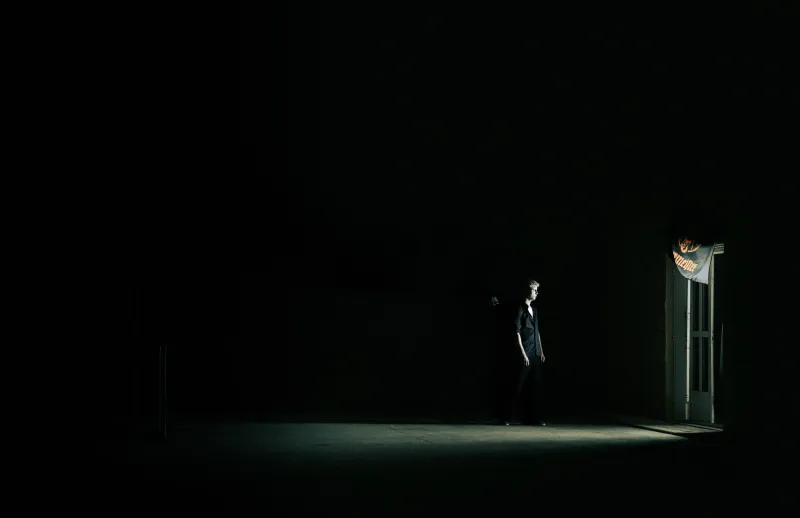
Against the Call: The Moral Power of the Japanese Cinema Hero Who Refuses to Be One

Against the Call: The Moral Power of the Japanese Cinema Hero Who Refuses to Be One

American cinema is built on the premise that the right person, at the right moment, will rise. Japanese cinema frequently imagines a different kind of right person — one who hesitates, resists, and sometimes refuses entirely, and whose resistance is not a failure of courage but an expression of it. This piece examines the reluctant protagonist as a distinctly Japanese cinematic archetype, and what this figure reveals about the ethics of action under pressure.

Seen and Unseen: How Japanese Cinema's Portrait of Social Invisibility Speaks to the American Condition

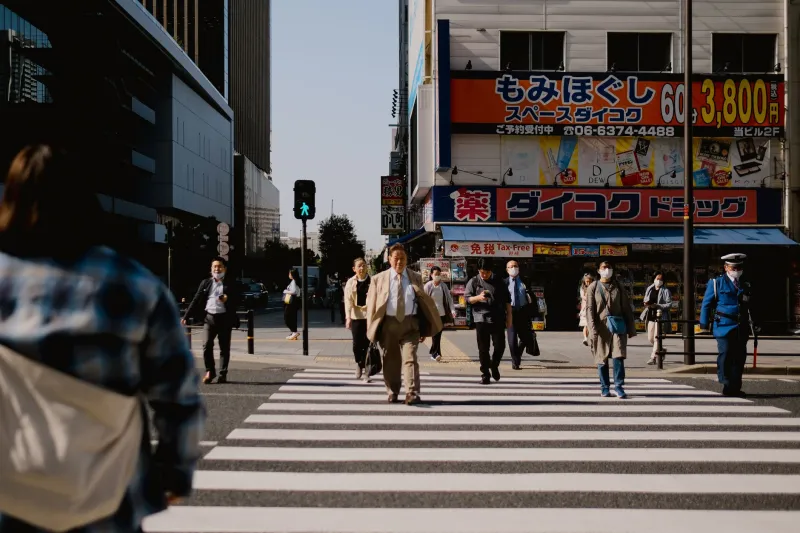
Seen and Unseen: How Japanese Cinema's Portrait of Social Invisibility Speaks to the American Condition

Japanese film has long mapped the interior geography of those who feel erased by the societies they inhabit—the exhausted salaryman, the adult child who never quite fit, the young woman swallowed by institutional indifference. American audiences encountering these portraits often experience an uncanny recognition, confronting in foreign settings the very anxieties their own cinema rarely dares to name without redemption attached.

The Eloquence of Stillness: How Japanese Actors Speak Through the Body

The Eloquence of Stillness: How Japanese Actors Speak Through the Body

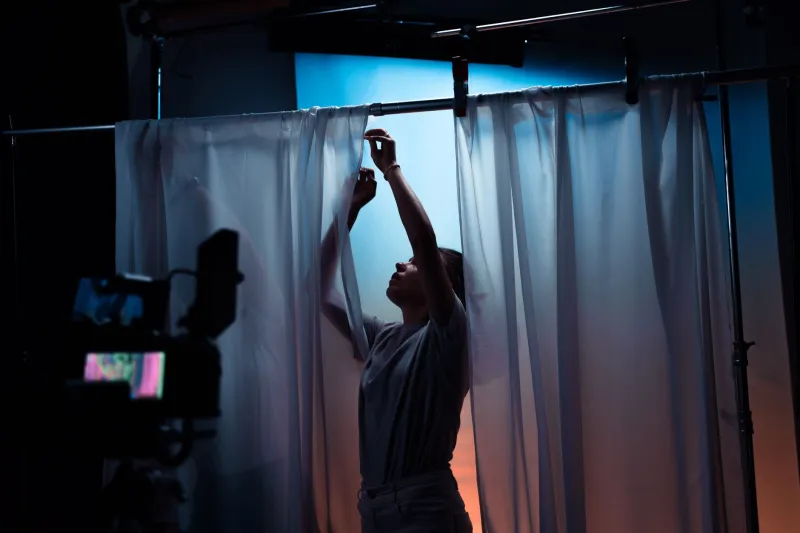
In Japanese cinema, a character's interior life is as likely to be expressed through a held posture or a redirected gaze as through spoken confession. This tradition of physical storytelling draws on theatrical and cultural roots that run centuries deep, producing performances that Western audiences may initially find understated but ultimately discover to be among the most emotionally precise in world cinema. The body, in these films, is not decoration—it is the primary text.

Painted in Feeling: How Japanese Cinematographers Use Color as a Window Into the Mind

Painted in Feeling: How Japanese Cinematographers Use Color as a Window Into the Mind

Color in Japanese cinema is rarely decorative. From the ash-grey pallor of contemporary social dramas to the saturated, almost hallucinatory hues of live-action anime adaptations, Japanese cinematographers have developed a sophisticated visual grammar that uses hue, saturation, and tone to map the inner lives of their characters. This article breaks down that grammar for American viewers and argues that learning to read it changes the experience of watching Japanese film entirely.

The Geometry of Feeling: Reading the Japanese Close-Up as a Cinematic Language

The Geometry of Feeling: Reading the Japanese Close-Up as a Cinematic Language

Hollywood trains audiences to read a close-up as emphasis—a signal that what the face is doing right now is the emotional truth of the scene. Japanese directors have developed a markedly different grammar, one in which the framed face withholds as much as it reveals, and where composition itself becomes a vehicle for conveying shame, restraint, and interior conflict. Learning to read that grammar changes what you see in a Japanese film entirely.

Lost in Translation: What Makes a Manga Adaptation Succeed—and Why So Many Fall Apart

Lost in Translation: What Makes a Manga Adaptation Succeed—and Why So Many Fall Apart

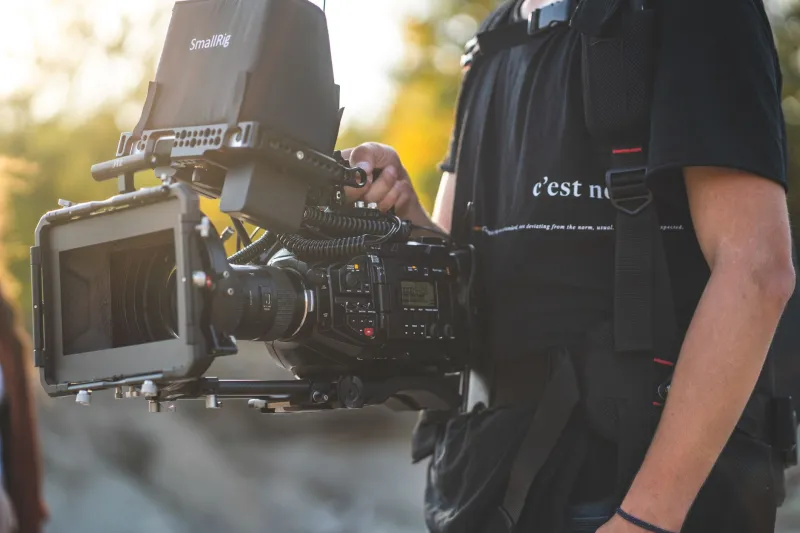
Translating manga to film is one of the most technically and creatively demanding challenges in Japanese cinema, requiring filmmakers to reconceive a visual language built for the static page into something that moves, breathes, and resonates on screen. Some adaptations have become defining achievements of their medium; others have collapsed under the weight of their source material. Understanding the difference reveals something fundamental about how visual storytelling works.